Wildlife Conservation Volunteering: Protect Species and Habitats
Wildlife conservation volunteering plays a vital role in protecting ecosystems, safeguarding threatened species, and ensuring that future generations inherit a healthy,…

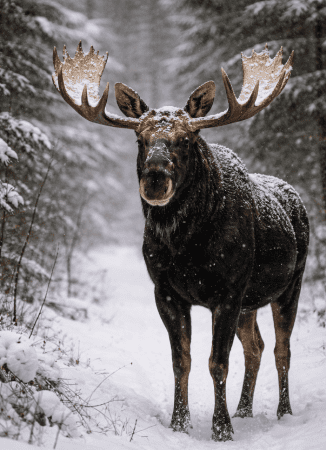
Wildlife conservation volunteering plays a vital role in protecting ecosystems, safeguarding threatened species, and ensuring that future generations inherit a healthy,…
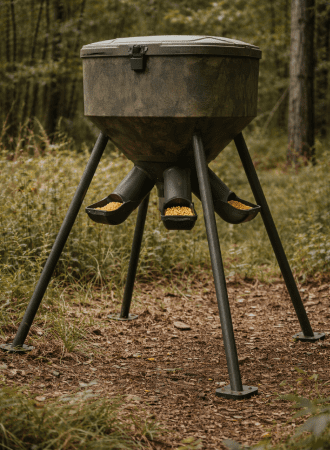
In the world of modern wildlife and whitetail management, gravity deer feeders have earned a reputation as one of the most…
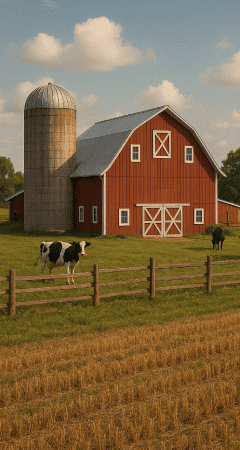
Across much of North America, agricultural land and wildlife habitat overlap. Deer thrive in the same fields farmers plant, often creating…

Fur trapping has existed for thousands of years, shaping cultures, economies, and relationships between people and wildlife. In modern conservation science,…

Coyote hunting has grown rapidly in popularity across North America as hunters recognize both the challenge and the essential role predator…
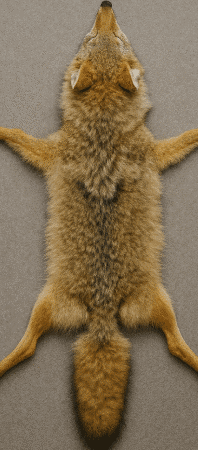
The term fur harvesters has deep roots in North American history, connecting Indigenous traditions, early exploration, modern wildlife management, and today’s…
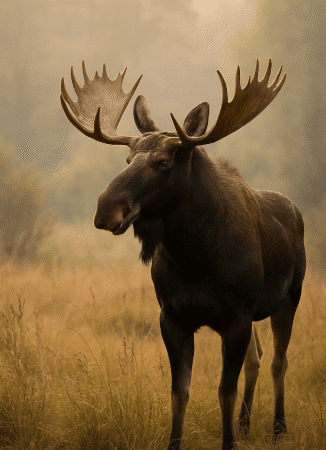
Ethical hunting practices form the foundation of responsible wildlife stewardship. Modern hunters play a meaningful role in conservation, habitat management, population…

Upland bird habitat plays a defining role in the abundance, health, and long-term stability of pheasants, grouse, quail, partridge, and other…
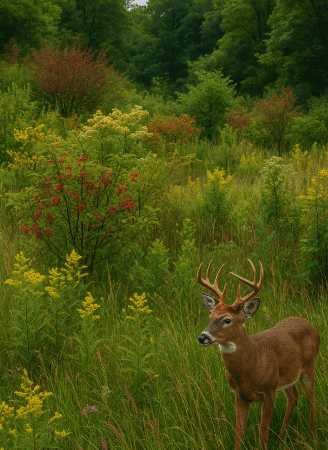
Wildlife habitat improvement has become one of the most important conservation strategies in modern land stewardship. As natural ecosystems face increasing…
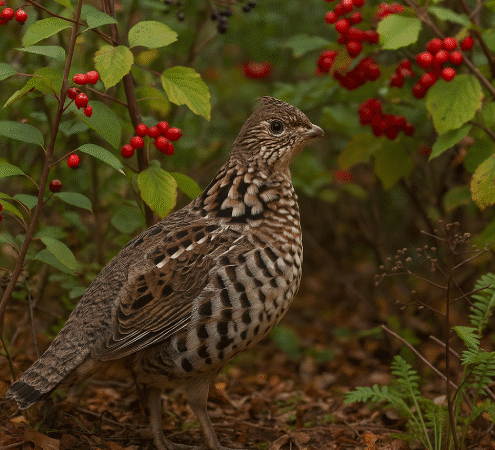
Creating dependable gamebird habitat in Ontario begins with a thoughtful approach to native shrub selection. When considering native shrub selection for…